Extending Grinding Wheel Service Life: A Comprehensive Guide for Industrial Buyers
For manufacturers and machining workshops worldwide, grinding wheels represent a critical consumable that directly impacts production efficiency, surface finish quality, and operational costs. Understanding the key factors that influence grinding wheel lifespan can lead to significant cost savings and improved output quality. This article examines four essential aspects that every purchasing manager and production engineer should consider when working with abrasive grinding wheels.
1. Product Quality Matters Above All
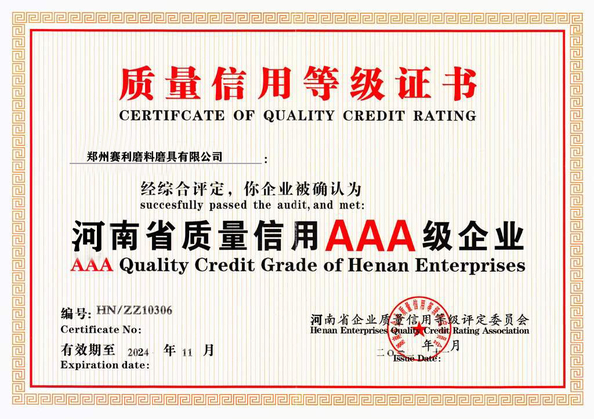
Low-quality grinding wheels suffer from accelerated wear rates and dramatically shortened service life. Inferior bonding materials and inconsistent abrasive grain distribution cause premature wheel degradation, forcing operators to replace wheels far more frequently than necessary. Choosing high-grade grinding wheels from reputable manufacturers ensures consistent grain structure, superior bonding strength, and uniform hardness distribution. While premium wheels may carry a higher upfront cost, the extended service life and improved grinding performance deliver substantially lower total cost of ownership over time. Always prioritize wheels that meet international quality standards such as ISO 9001 certification.
2. Proper Wheel Dressing Is Critical
Excessive dressing of grinding wheels creates a double penalty: it compromises grinding quality while dramatically reducing wheel lifespan. Over-dressing removes more abrasive material than necessary, wasting valuable wheel thickness and generating unnecessary downtime. Conversely, insufficient dressing leads to wheel loading and glazing, which causes thermal damage to workpieces. The optimal approach involves condition-based dressing — monitoring wheel surface condition and dressing only when performance indicators such as increased grinding force, surface roughness deterioration, or audible chatter signals dictate it. Implementing precision dressing tools and training operators on proper dressing techniques can extend wheel life by 20-40% in many applications.
3. Correct Operation Prevents Unnecessary Wear
Improper grinding wheel usage is one of the most common yet easily preventable causes of premature wheel wear. Key operational mistakes include:
- Excessive feed rates — forcing the wheel beyond its rated parameters causes rapid grain fracture and bond breakdown
- Incorrect wheel speed — operating above or below recommended RPM ranges leads to uneven wear patterns
- Insufficient coolant application — inadequate cooling causes thermal stress and micro-cracking within the wheel structure
- Improper mounting — unbalanced or poorly mounted wheels vibrate excessively, accelerating wear and posing safety risks
Establishing standardized operating procedures and providing regular operator training are essential steps toward maximizing grinding wheel service life.
4. Match the Wheel to the Material
Different workpiece materials and processing requirements demand different grinding wheel specifications. The following table illustrates general selection guidelines:
| Workpiece Material |
Recommended Abrasive |
Typical Bond Type |
| Carbon Steel / Alloy Steel |
Aluminum Oxide (Al₂O₃) |
Vitrified / Resin |
| Stainless Steel |
Ceramic Alumina / Zirconia |
Resin |
| Cast Iron |
Silicon Carbide (SiC) |
Vitrified |
| Cemented Carbide / Ceramics |
Diamond (CBN) |
Metal / Resin |
| Non-Ferrous Metals (Al, Cu, Brass) |
Silicon Carbide (SiC) |
Vitrified |
Selecting the appropriate abrasive type, grit size, grade, and bond for each specific application ensures optimal material removal rates while minimizing wheel consumption. Consult wheel manufacturer catalogs and conduct trial runs when processing new materials to establish the best wheel-to-material pairing.
Conclusion
Maximizing grinding wheel lifespan is a multifaceted challenge that requires attention to product quality, disciplined dressing practices, proper operational parameters, and intelligent wheel selection. Investing in premium-quality wheels, training operators on best practices, and matching abrasive specifications to workpiece materials all contribute to lower overall grinding costs and improved manufacturing outcomes. For businesses seeking to optimize their grinding operations, reviewing these four factors represents an excellent starting point for achieving measurable improvements in both productivity and cost efficiency.


 Your message must be between 20-3,000 characters!